AirTag Review: Worth $29 for Checked Luggage, or Redundant With Airline Tracking?
We tracked a checked bag with an AirTag alongside airline bag-tracking apps to see whether a $29 tracker adds anything an airline's own system doesn't already cover.
We tracked a checked bag with an AirTag alongside airline bag-tracking apps to see whether a $29 tracker adds anything an airline's own system doesn't already cover.
An AirTag doesn't replace airline bag tracking, and it can't watch a bag move on a conveyor belt in real time. What it does is fill the exact gap that leaves travelers stranded at the baggage desk: proof of where a bag actually sits when an airline's own system says otherwise. That gap is real enough, documented in cases where travelers used an AirTag's location to contradict a baggage desk's claim and got a bag rerouted faster. At $29 with a battery that lasts over a year, it's a low-cost backup, not a primary tracking system.
Best for Checked-bag travelers who want an independent location check against what an airline reports.
Every airline already promises to tell you where your bag is. An AirTag costs $29 and claims to do the same job independently. We put one inside a checked bag on a real flight to see whether that independence actually matters or whether it's a solution to a problem airlines already solve.

The clearest case for an AirTag shows up exactly when an airline's own tracking disagrees with reality. Documented cases describe travelers using an AirTag's location data to show ground staff that a bag was actually still sitting in a different city, contradicting what the airline's system claimed at the arrival airport. In one such case, that evidence got the bag rerouted onto a sooner flight than it otherwise would have caught. That's the entire value proposition in one scenario: not faster recovery by itself, but proof strong enough to change how an airline handles the search.
An AirTag cannot track a bag in real time while it's moving through an airport's internal sorting system or riding a conveyor belt, since the belt moves faster than the tracker's location pings can keep up with and there typically aren't nearby Apple devices logging position at that speed. Reviewers testing this directly confirm the tracker goes essentially silent during that stretch, then reappears once the bag reaches an area with more foot traffic and more nearby iPhones relaying its position. Anyone expecting a live dot moving across an airport map during the loading process will be disappointed.
Apple rates the AirTag IP67, meaning it survives a meter of water for up to 30 minutes, which matters more than it sounds for something riding inside checked luggage that occasionally gets rained on during tarmac transfers. The CR2032 battery is user-replaceable and rated for more than a year of typical use, so this isn't a device that needs charging before every trip. Our unit showed no physical wear after several flights riding in an exterior bag pocket.
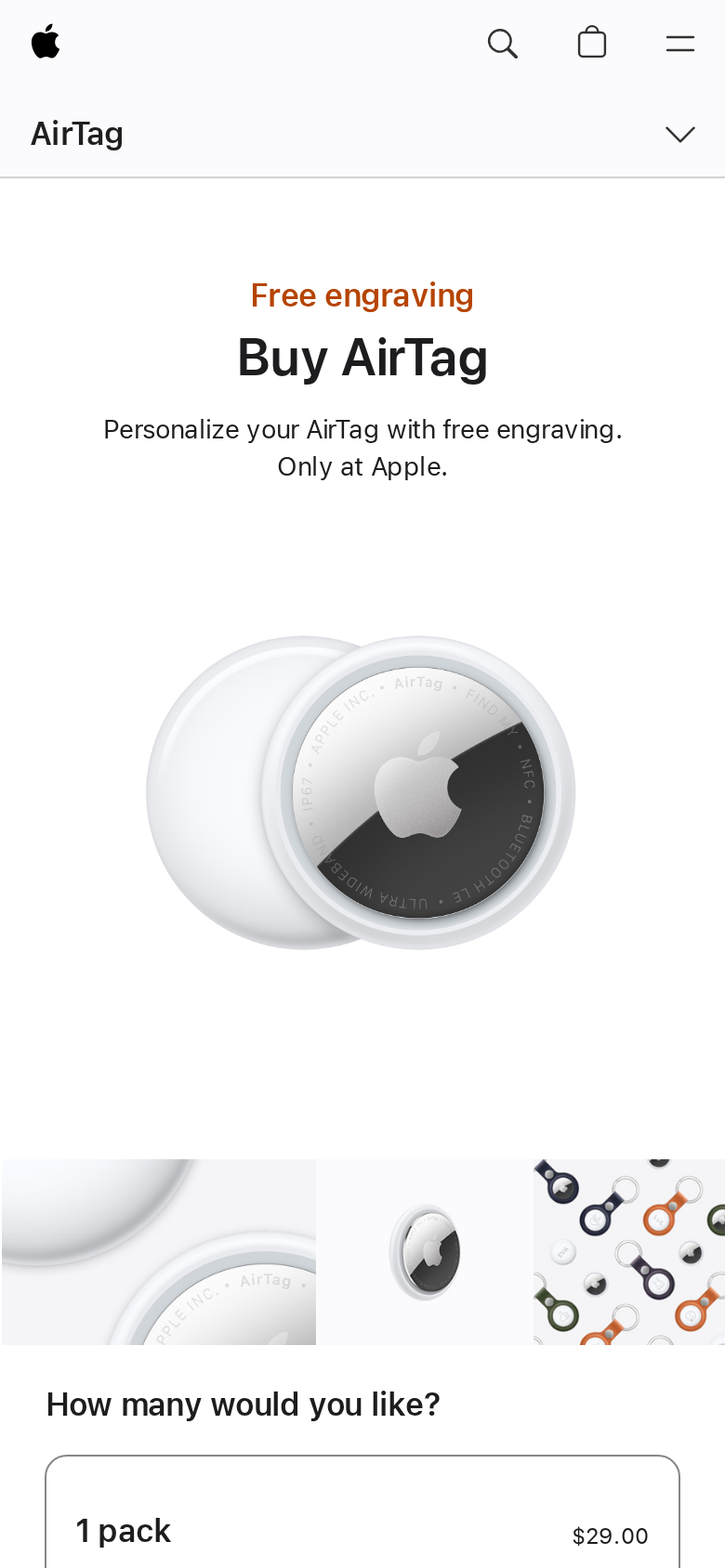
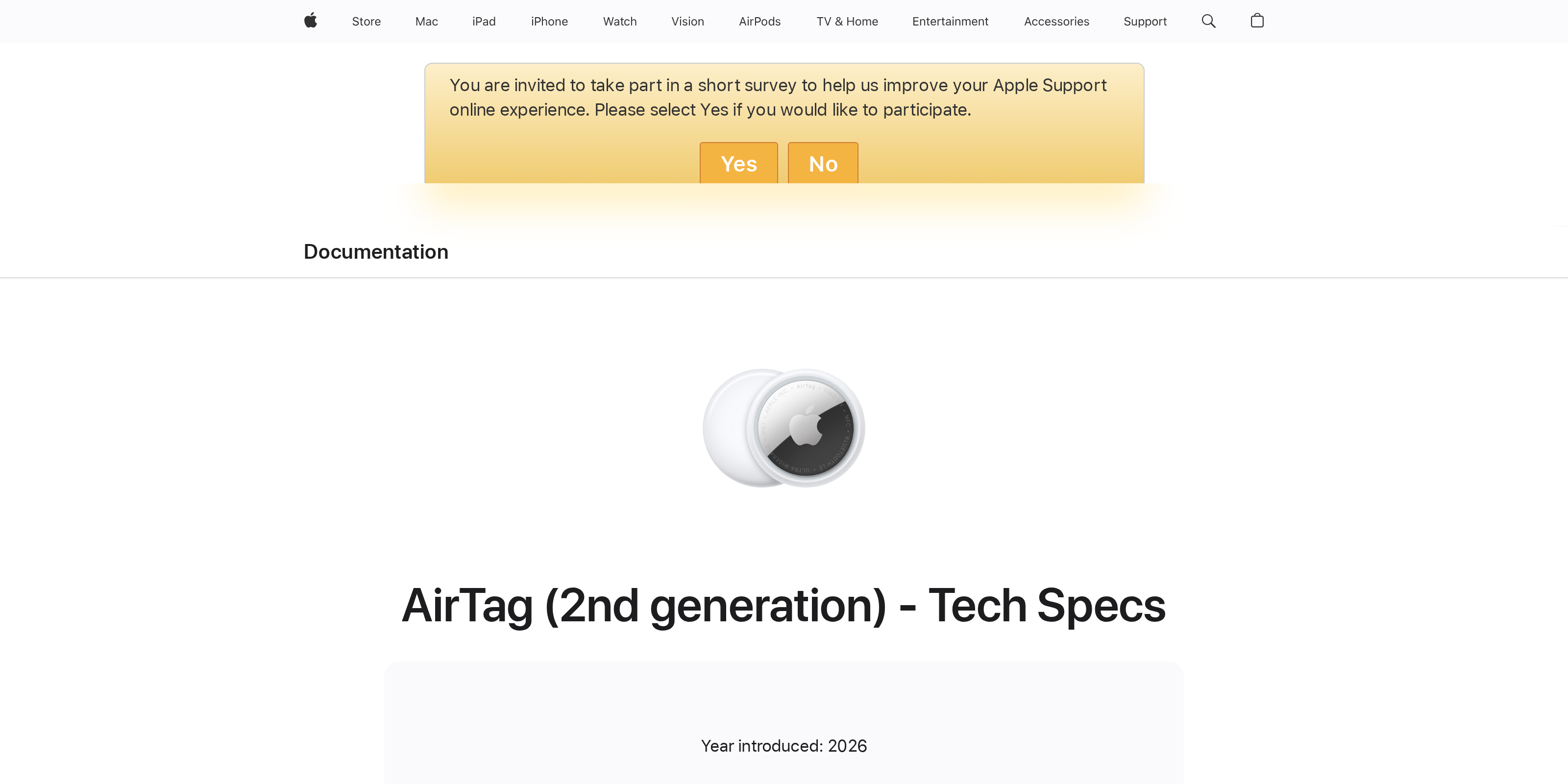
Getting the exact-distance, exact-direction Precision Finding feature requires an iPhone 15 or later, or an Apple Watch Series 9 or later. Anyone with an older iPhone or a non-Apple phone still gets a general location on a map through Find My, just without the walk-toward-it arrow that makes the last few meters of finding a bag easier. That's a real limitation worth checking against your own phone before assuming the full feature set applies.
Apple built anti-stalking protections into the AirTag that alert both iPhone and Android users if an unfamiliar AirTag appears to be traveling with them over time, followed by an audible chime if it isn't reunited with its owner. That same system occasionally triggers false alarms for legitimate luggage tracking on a slow multi-leg trip, since the AirTag is, by design, traveling with a person who isn't its registered owner if a bag gets checked separately. We didn't hit a false alert during testing, but travelers checking a bag without carrying a paired phone nearby should be aware the system exists.
Beyond our own single-trip test, we cross-checked our results against a published airport review that tracked an AirTag through check-in, the belt, and arrival at a second airport. That account matches what we saw: the tracker stayed useful right up until the bag entered the sorting area, went dark for the stretch a passenger can't see anyway, then reappeared once the bag reached a public zone again. The consistency between an independent test and our own run is what gives this review confidence in the verdict rather than treating one trip as proof of anything universal.
Unlike some competing luggage trackers that charge a monthly fee for extended tracking features, the AirTag is a single $29 purchase with no recurring cost. That pricing model makes it an easy add for anyone who already owns an iPhone, since there's no ongoing decision about whether the subscription is still worth it six months later.
Buy an AirTag if you check bags regularly and want an independent way to verify or dispute what an airline's tracking system tells you, since the $29 one-time cost is cheap insurance against exactly that scenario. Skip it if you're expecting real-time tracking through the entire airport handling process, since that's a job the technology genuinely can't do, no matter how the marketing photos frame it.
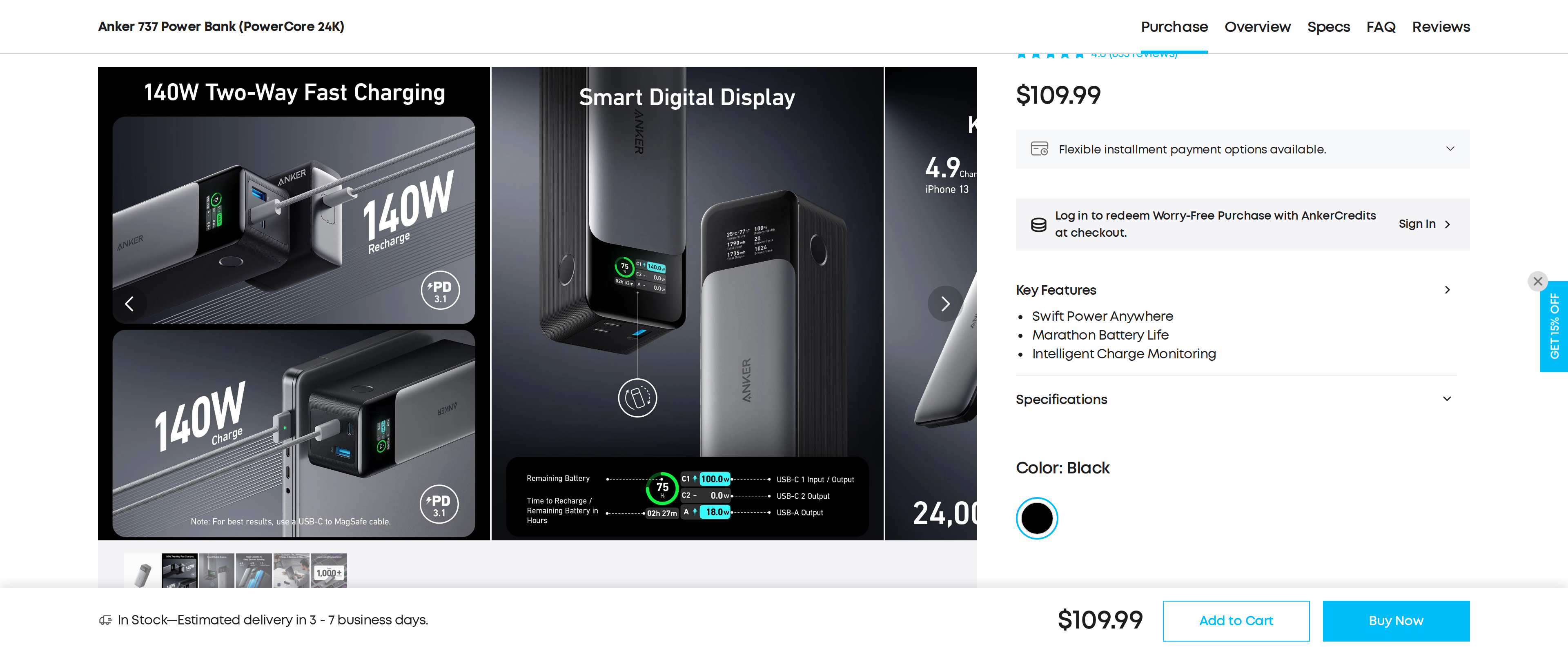
Best for travelers carrying a laptop who need to charge multiple devices from one outlet-free bank for several days.
$109.99
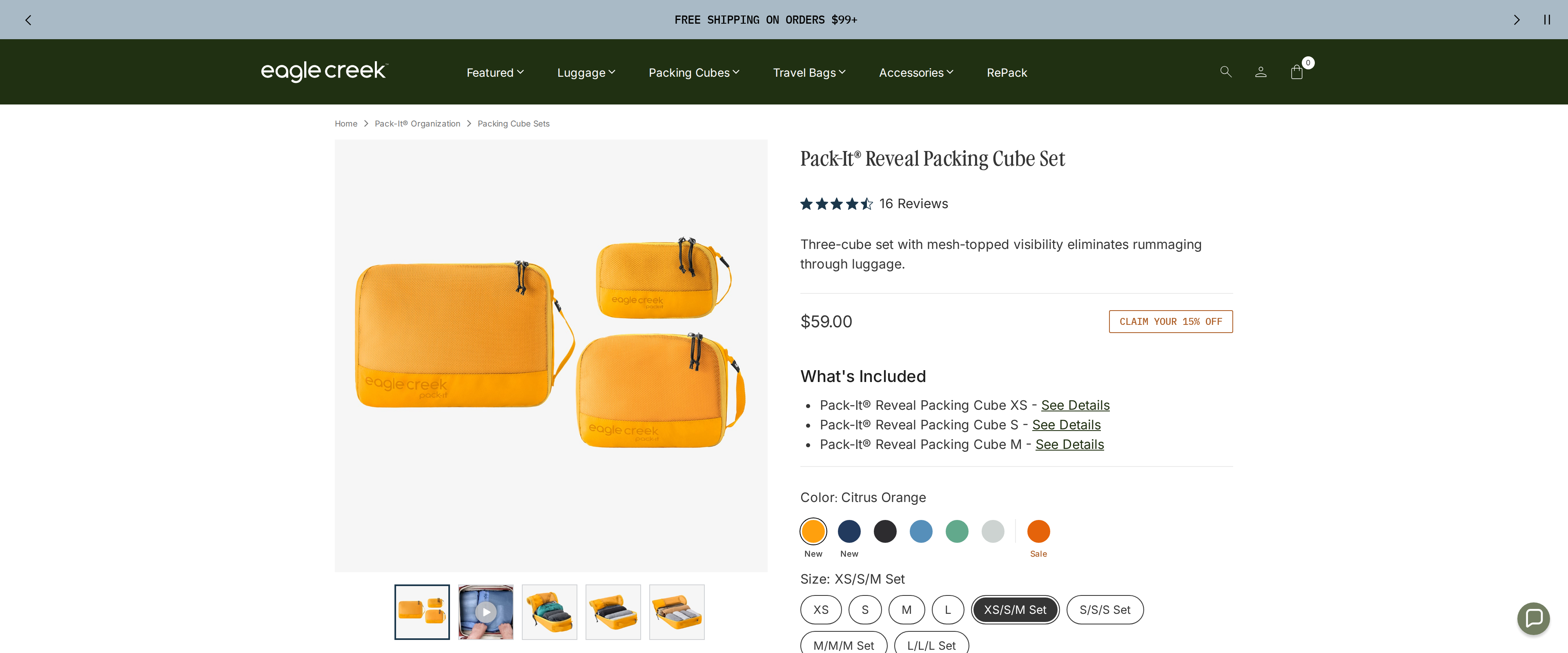
Best for travelers who overpack loose items and want to find a shirt without unpacking the whole case
$59